Sunday, 29 November 2026·AI-assisted publication
Latest
● A Decade of Patient Work Pays Off as Radio Telescope Data Opens a New Way to Map the Universe● Cholera killed more people in 2025 than in any year this century, even as reported cases fell● COP31's Big Bet: Get the World to Run on 35% Electricity by 2035● A Needle-Free Capsule That Fires Drugs Into the Gut Gets Its Green Light for Human Trials● Russian Satellite Crept Up on a Finnish Spy-Eye in Orbit. Was It a Dress Rehearsal for an Attack?● California Is Home to More Than 60,000 Insect Species, and a Third of Them Still Have No Name● Asia's Chip Stocks Crash While the Rest of the Market Rallies: Seoul Halts Trading as AI Fears Bite● AI's Boom Meets a New Political Reality After the Democratic Midterm Sweep● The Billion-Dollar Business of American Elections● They Redrew the Maps. The Voters Had Other Ideas.● A Decade of Patient Work Pays Off as Radio Telescope Data Opens a New Way to Map the Universe● Cholera killed more people in 2025 than in any year this century, even as reported cases fell● COP31's Big Bet: Get the World to Run on 35% Electricity by 2035● A Needle-Free Capsule That Fires Drugs Into the Gut Gets Its Green Light for Human Trials● Russian Satellite Crept Up on a Finnish Spy-Eye in Orbit. Was It a Dress Rehearsal for an Attack?● California Is Home to More Than 60,000 Insect Species, and a Third of Them Still Have No Name● Asia's Chip Stocks Crash While the Rest of the Market Rallies: Seoul Halts Trading as AI Fears Bite● AI's Boom Meets a New Political Reality After the Democratic Midterm Sweep● The Billion-Dollar Business of American Elections● They Redrew the Maps. The Voters Had Other Ideas.

Search

3 results for “NASA”
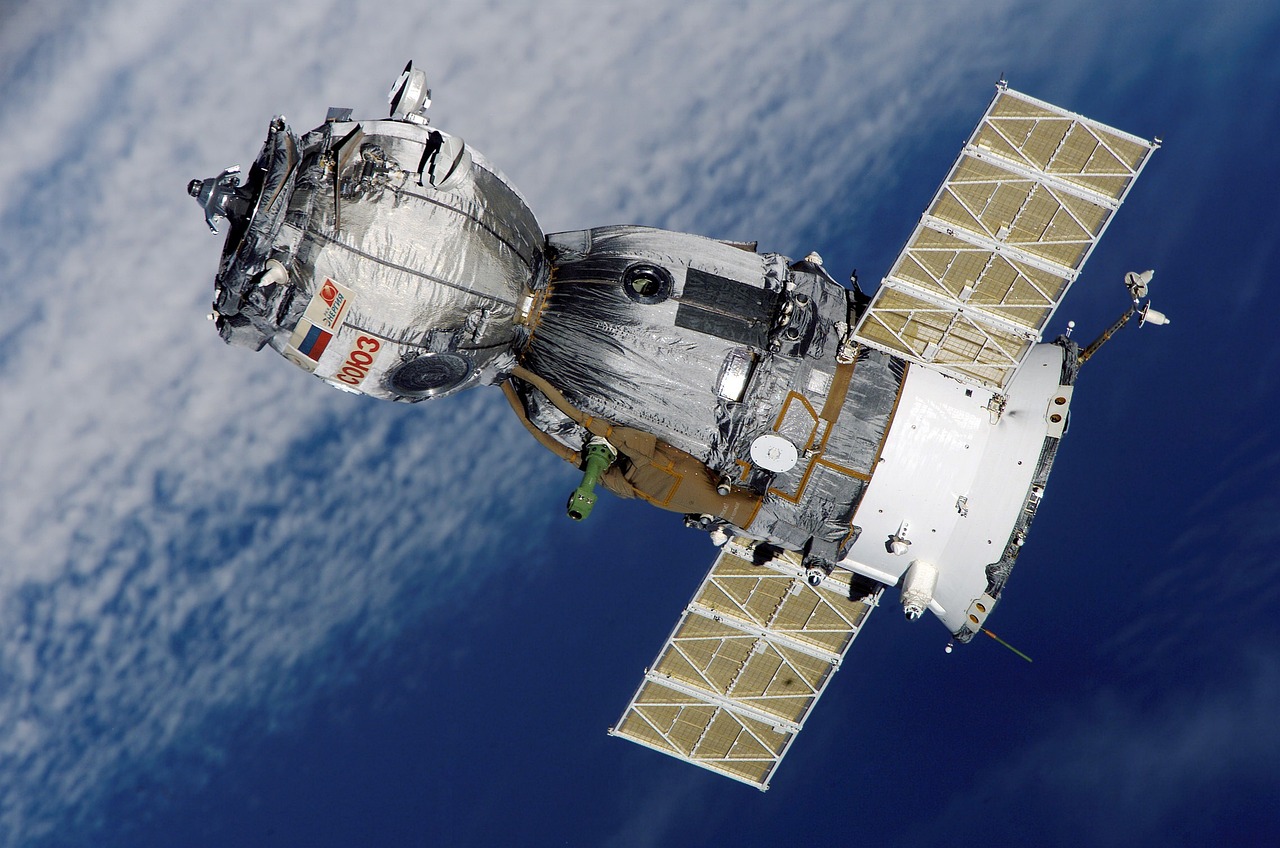
After 35+ years of discoveries, Hubble is slowly losing altitude. NASA is exploring a commercial servicing plan to stop its eventual fiery plunge.

NASA's Swift space observatory is due to re-enter Earth's atmosphere on 4 November, ending a nearly 22-year run of cosmic discovery.
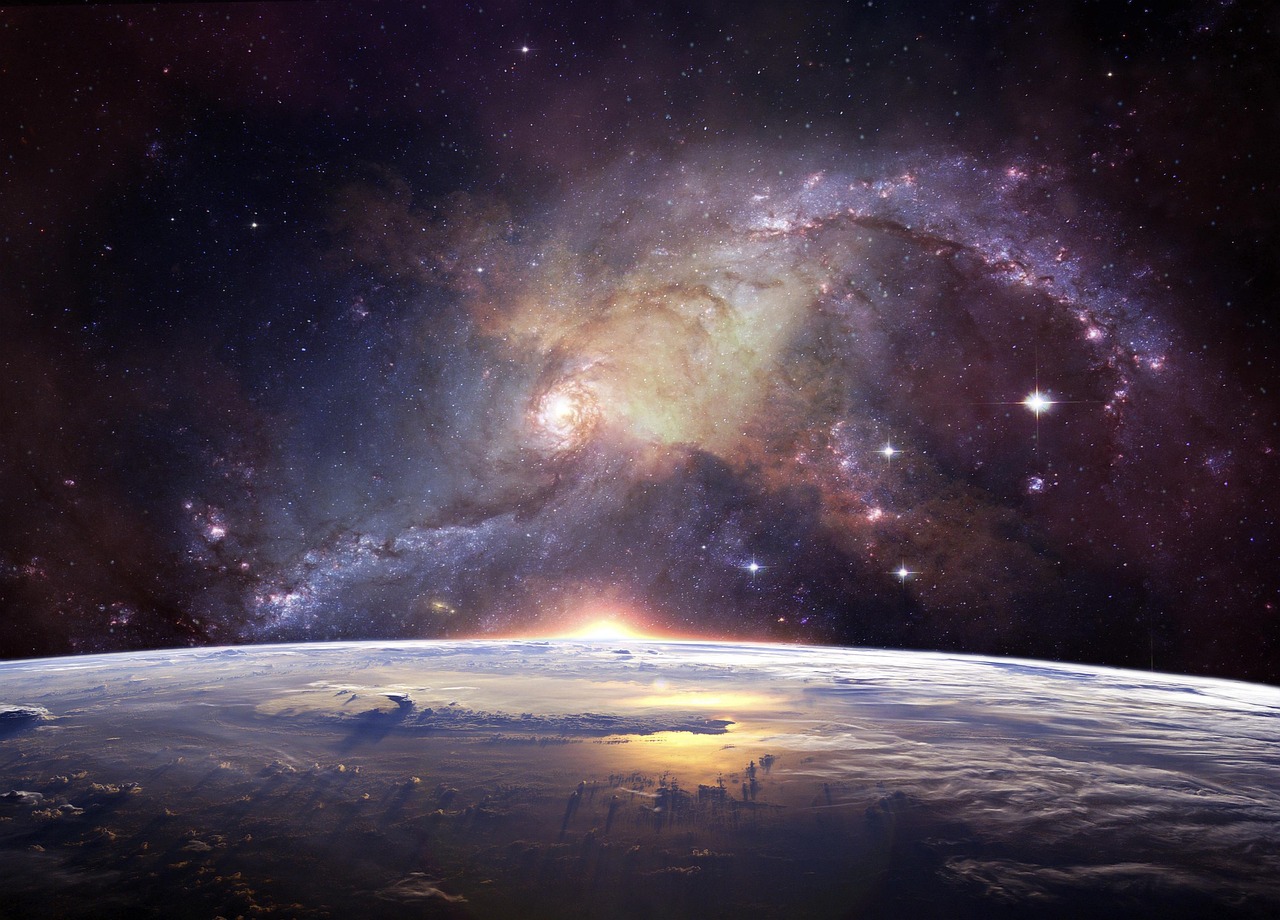
After more than two decades studying the universe's most violent blasts, NASA's Swift observatory is forecast to burn up in the atmosphere early on 4 November.