NASA's Swift Space Telescope Is About to Fall From the Sky After 22 Years of Chasing Cosmic Explosions
A failed rescue attempt has left the veteran gamma-ray burst hunter on course for a fiery re-entry over mostly open ocean.
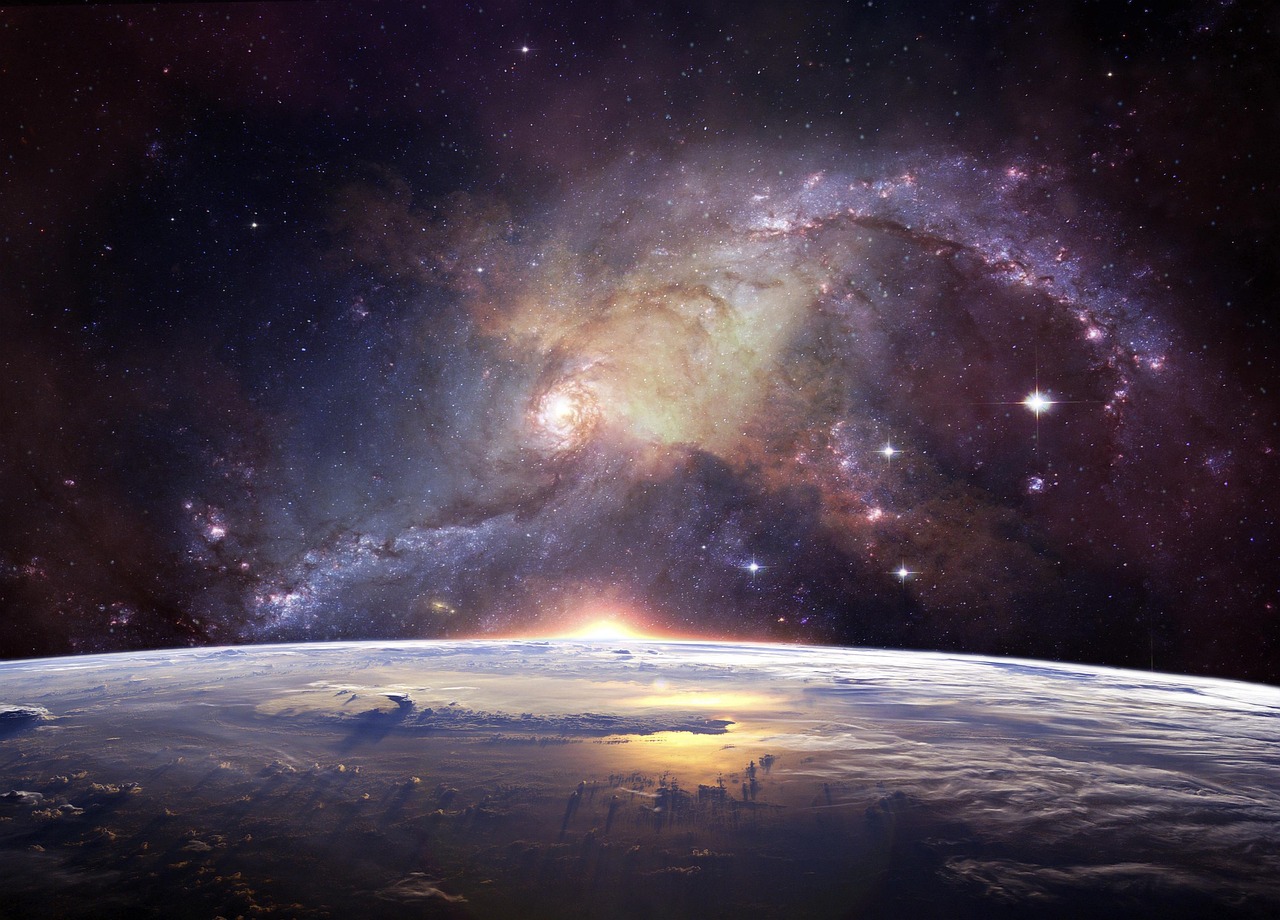
One of NASA's most productive astronomy satellites is nearly at the end of its life. The Neil Gehrels Swift Observatory is expected to drop into Earth's atmosphere and burn up within hours. It will have spent more than two decades in orbit.
As of Monday, the U.S. Space Force expected re-entry at about 3:30 a.m. Eastern Standard Time on Wednesday 4 November. That is roughly 08:30 UTC. Like any re-entry forecast, the timing is an estimate. The exact moment and place can shift as the spacecraft's orbit keeps changing. The current prediction puts it somewhere within about 21 degrees north or south of the equator. That band is mostly ocean, which is reassuring for anyone wondering about falling debris.
A telescope built for the biggest bangs
Swift launched in November 2004. Its job was to study gamma-ray bursts, which are the most powerful and energetic explosions in the universe. These flashes are brief and unpredictable. Catching them takes a telescope that can react quickly, and that agility is what Swift was designed for. Its long career has made it a workhorse for astronomers who study violent cosmic events.
The rescue that didn't work
This ending was not inevitable. NASA had tried to save the observatory. The agency awarded a $30 million contract to Arizona-based Katalyst Space Technologies. Katalyst built a robotic spacecraft called LINK, designed to grab Swift and push it into a higher, safer orbit. LINK launched on 3 July 2026.
The mission ran into trouble soon after launch. According to reporting from ClearanceJobs, LINK suffered severe electronics malfunctions and reaction wheel failures, and it went into an uncontrollable spin. Reaction wheels are the components that help a spacecraft point and steer. Without them, the capture was off. NASA called off the rescue in August 2026.
The attempt still matters, even though it failed. It was a real test of whether a commercial robotic servicer could reach an ageing science satellite and rescue it. That idea is attracting growing interest at NASA. Last week the agency put out a request for information asking the commercial space industry for ideas on how to reboost or service the Hubble Space Telescope. Companies have until 30 November 2026 to respond.
What people on the ground should know
Spacecraft of this kind do not usually vanish completely on re-entry. Some pieces can survive the heat. The forecast zone is mostly ocean, which lowers the chance that any surviving fragments would reach people or property. Even so, the Space Force's tracking estimate is the thing to watch, and the final location will only be known after the event.
For amateur satellite watchers, the days leading up to a re-entry are also a chance to follow a spacecraft's last orbits using public trackers. Spaceflight Now has been running a tracker alongside its coverage.
A bittersweet milestone
The loss of Swift shows that the space around Earth is busy and that satellites don't last forever. Missions that can no longer hold their altitude eventually come down, and the question is whether they come down in a controlled way. The failed LINK rescue also shows how difficult in-orbit servicing is. Researchers who depended on Swift's rapid-response observations will now have to rely on other telescopes for their burst science.
For now, the story is a countdown. A telescope that spent more than twenty years watching distant explosions is about to end its own career as a brief streak of light in the atmosphere.
Why it matters
Swift has been a key tool for catching gamma-ray bursts, the universe's most powerful explosions, and its loss removes a fast-reacting observatory from the sky. The failed rescue is also a real-world test of commercial satellite servicing. NASA is already asking industry how to boost Hubble, so the lessons from LINK could shape how future science missions are kept alive.
Background
Swift, formally the Neil Gehrels Swift Observatory, launched in November 2004 to study gamma-ray bursts, the most energetic explosions known. As its orbit decayed, NASA hired Katalyst Space Technologies in a $30 million deal to boost it with a robotic spacecraft called LINK. LINK launched on 3 July 2026 but suffered electronics and reaction wheel failures and an uncontrolled spin. NASA cancelled the rescue in August 2026.
What to watch
Watch for confirmation from the U.S. Space Force on when and where Swift actually re-entered, and for any reports of surviving debris. Also follow NASA's Hubble servicing request for information, with responses due 30 November 2026. It will show whether the agency still wants commercial rescue options after the LINK failure.
Sources & attribution
This AI-assisted summary is based on the reports below. Read them for the full original coverage.
- NASA's Neil Gehrels Swift Observatory to burn up this week after more than two decades in space – Spaceflight Now spaceflightnow.com
- NASA Is Having a 'Moment' – ClearanceJobs news.clearancejobs.com
- Space.com: NASA, Space Exploration and Astronomy News www.space.com
Drafted with AI assistance from the sources above. See our editorial standards. Spotted a mistake? Request a correction.
Get The Oval Brief
The essential global stories, delivered daily.
Keep reading
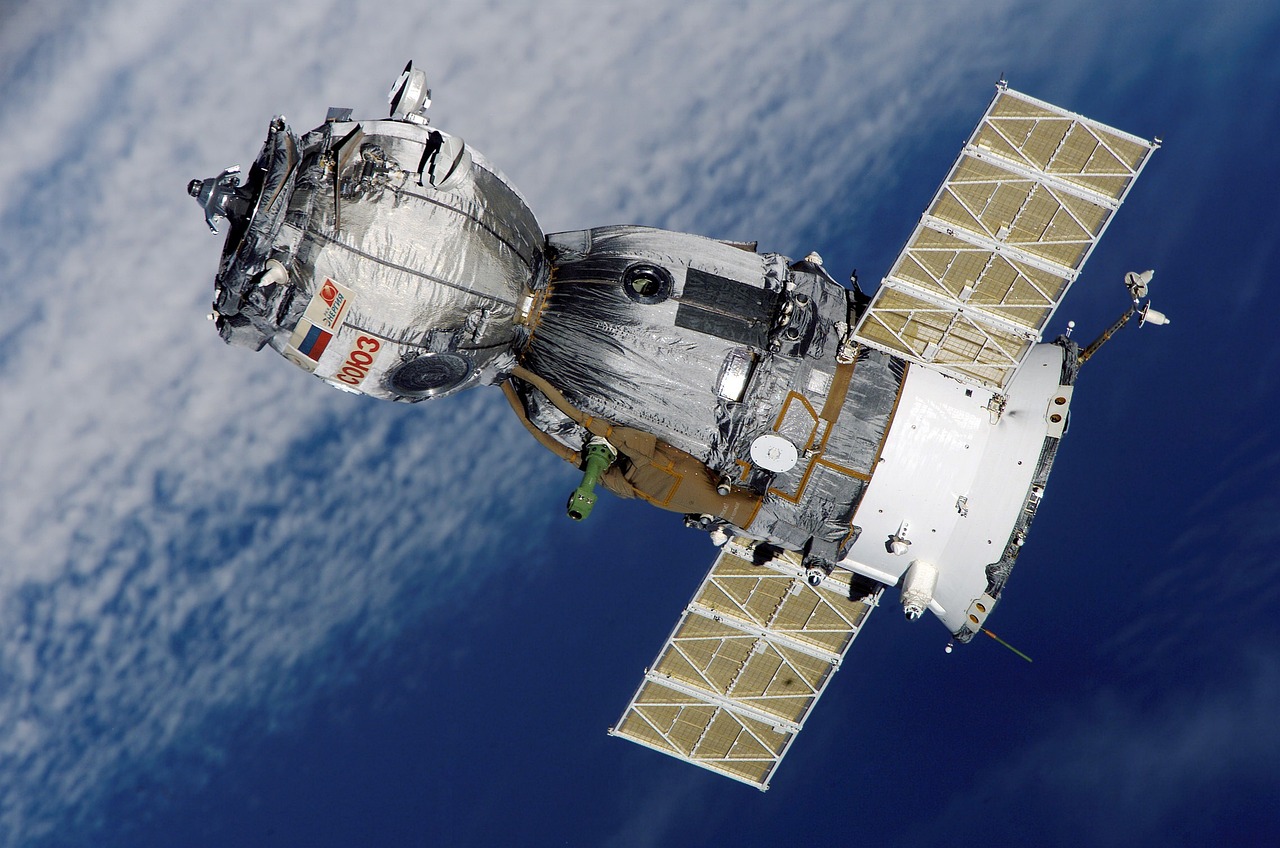
NASA Weighs a Daring Rescue to Keep Hubble From Falling Out of the Sky
After 35+ years of discoveries, Hubble is slowly losing altitude. NASA is exploring a commercial servicing plan to stop its eventual fiery plunge.

After Nearly 22 Years of Discoveries, NASA's Swift Observatory Makes Its Final Descent
NASA's Swift space observatory is due to re-enter Earth's atmosphere on 4 November, ending a nearly 22-year run of cosmic discovery.
California Is Home to More Than 60,000 Insect Species, and a Third of Them Still Have No Name
A new study puts California's insect count above 60,000 species, with only about two-thirds formally described. Each site studied had its own community.