A Decade of Patient Work Pays Off as Radio Telescope Data Opens a New Way to Map the Universe
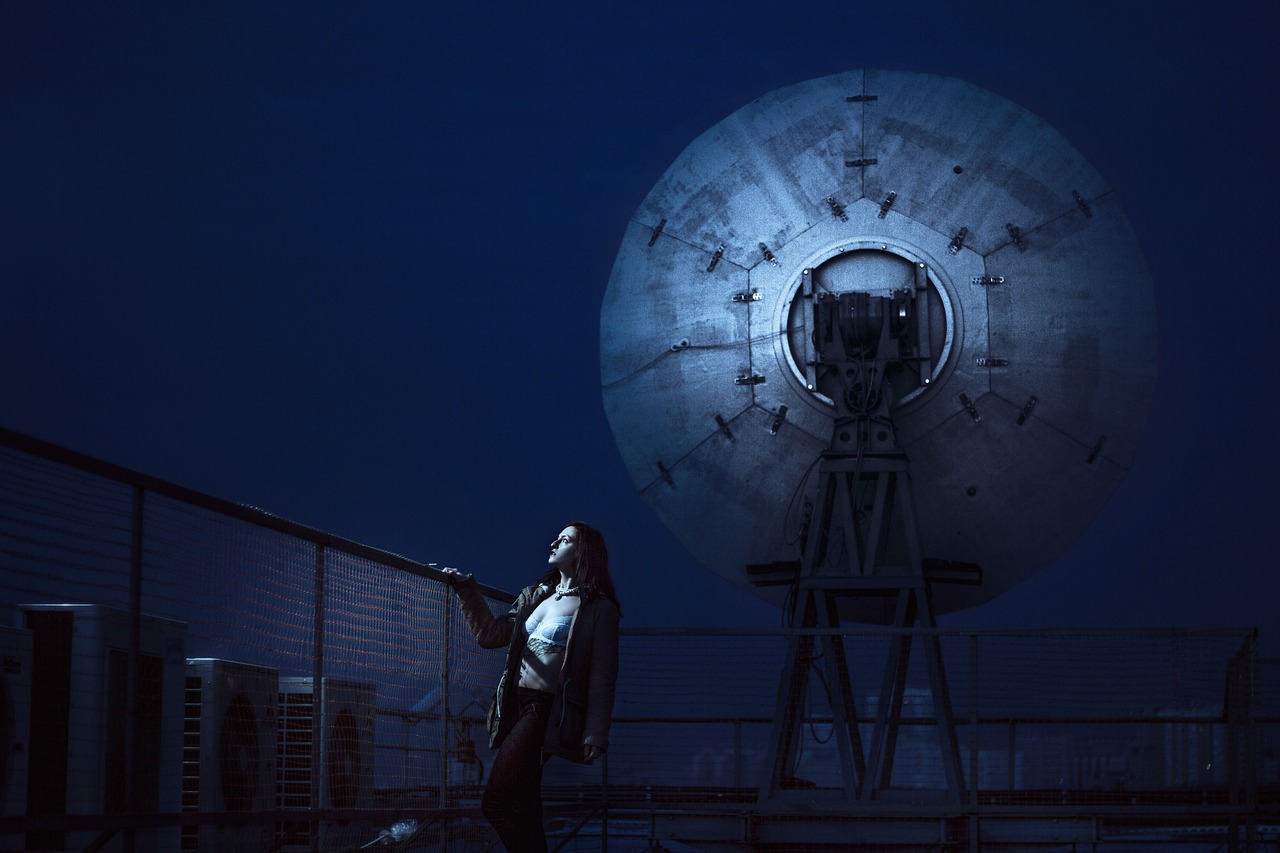
The MeerKLASS team has measured the large-scale clustering of cosmic hydrogen for the first time. The result could change how we chart the universe.
The Oval News
Human achievement, environmental wins and evidence that progress is real.
10 stories

The MeerKLASS team has measured the large-scale clustering of cosmic hydrogen for the first time. The result could change how we chart the universe.
A PNAS study reports intact biomolecules and mineralised red blood cells in a 115-million-year-old dinosaur, challenging old assumptions about fossil chemistry.
For nearly 90 years magnetism had two known types. Scientists now say a third, altermagnetism, is confirmed, and that squeezing the material changes how it behaves.
NASA's Swift space observatory is due to re-enter Earth's atmosphere on 4 November, ending a nearly 22-year run of cosmic discovery.
A bespoke mRNA vaccine, made from each patient's own tumour, cut the risk of death or skin cancer recurrence by 42% in a large clinical trial.
Bleached coral pieces that touched a healthy clone recovered in seven weeks, while nine donors pledged $500 million to prevent extinctions.
Scientists report all five nucleobases used in DNA and RNA in clean samples from asteroid Ryugu, a boost for the idea that space helped seed life's ingredients.
An old spinal-injury drug, a rejuvenated liver and a diabetes implant that works without insulin: new lab results offer real, if early, reasons for hope.
India says over half its installed electricity capacity is now non-fossil, a Paris Agreement goal reached five years early, and rooftop solar is zeroing bills.
Despite grim headlines, many measures of human wellbeing have improved over generations.
The Oval Brief
The essential global stories in technology, business, world affairs, defence, science and innovation — delivered daily.
Free. No spam. Unsubscribe any time. See our privacy policy.