Search
42 results for “FEC”
Why certain gases warm the planet, and why that matters.

WHO says global cholera deaths in 2025 hit a 20-year high even though reported cases dropped, pointing to gaps in care, access and surveillance.

The Federal Election Commission’s records offer a rare clear view of one side of modern politics: how much it costs to compete for attention.

Physicists say the laws that keep a black hole in one piece may have a loophole for extremely fast spinners. Future telescopes might be able to look for the effect.

A Democratic Congress changes the negotiating landscape for U.S. trade and foreign policy, though it cannot simply overturn every White House decision.
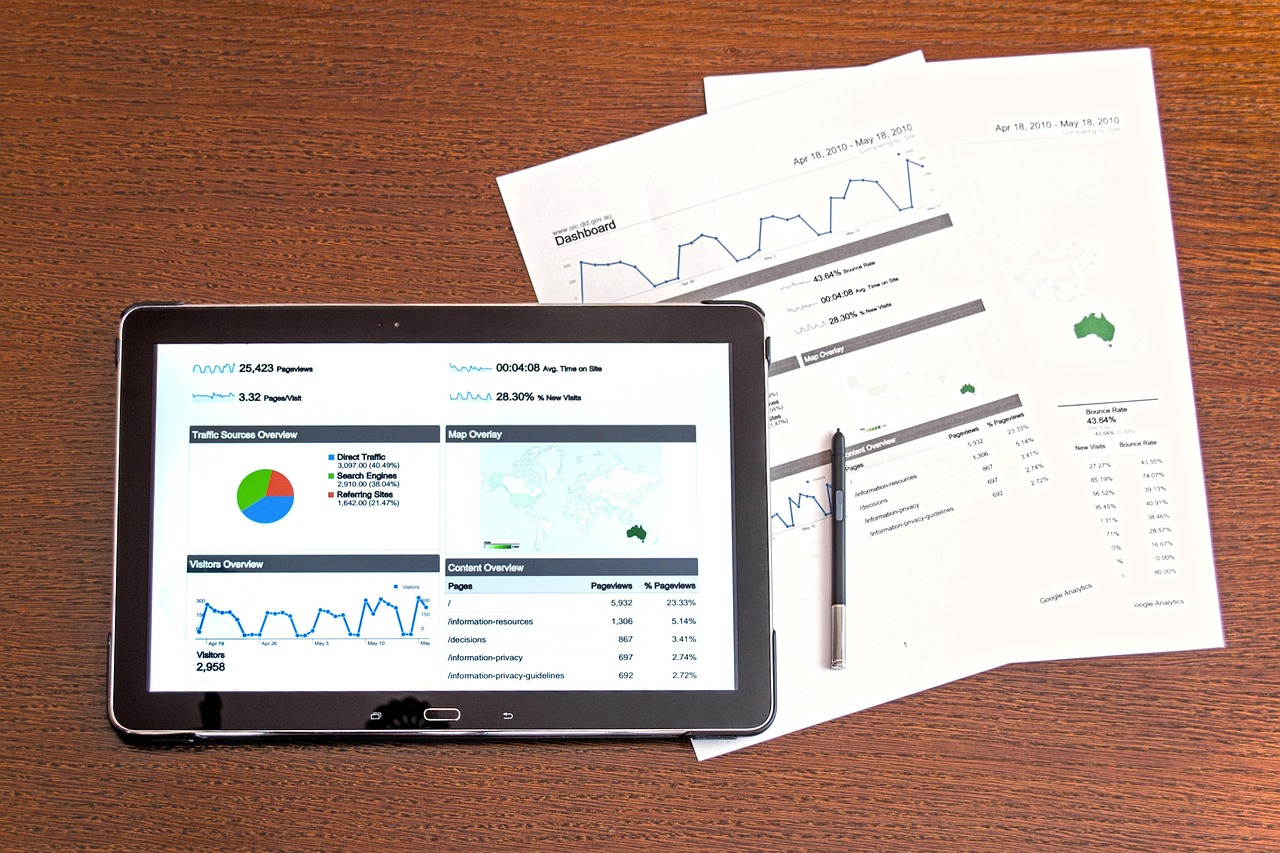
After the US midterms, markets split: data-center stocks sank, Big Tech rallied, and Wall Street began asking who now sets the rules for AI's build-out.

Across America, political strategists tried to redraw the electoral battlefield. In November, the voters exposed the limits of the exercise.

A Myanmar school was hit from the air, killing three children. In Mozambique, thousands more have fled again. Aid agencies say funding is shrinking.

The IEA says the EU is starting the heating season with its lowest gas stocks in more than a decade, while ministers offer few binding answers on protecting households.

China's economic planner says it will speed up AI legislation and set safety standards covering data, computing power and algorithms from development to deployment.

Trump concedes Iran hurt Republicans in the midterms. Tehran gloats, Islamabad and Beijing urge talks, and new US sanctions hit India-based firms.

WHO says six climate and health actions could save 1.6 million lives and bring trillions in yearly benefits, days before COP31 opens its Health Pavilion.

The FDA's draft guidance on personalized gene therapies would let one application cover multiple variants. CMS also wants to expand its access model.

A Democratic takeover of Congress threatens the White House's plan for a $1.5 trillion defence budget and opens the Pentagon to tougher scrutiny.

Google will let schools disable its AI tools, but reports say doing so can mean losing Search in those classrooms. Here is why that trade-off matters.

China's state planner says AI safety legislation is coming, covering development through deployment, with regulatory sandboxes and support for displaced workers.

Trump says the US will stop giving Israel about $4 billion a year in military aid from 2027. Weapons sales will continue, and Congress may push back.

Democrats now hold both chambers, and analysts tie the result to the Iran war. Analysis of what that does and doesn't change for Washington's foreign policy.
A major new study finds even modest drinking raises the risk of cancer, heart disease and early death, and finds no overall health benefit from alcohol.

A CSE and Down To Earth report says India saw extreme weather on 86–99% of days from 2022 to 2026, killing over 16,000 people and damaging 20.6 million hectares of crops.
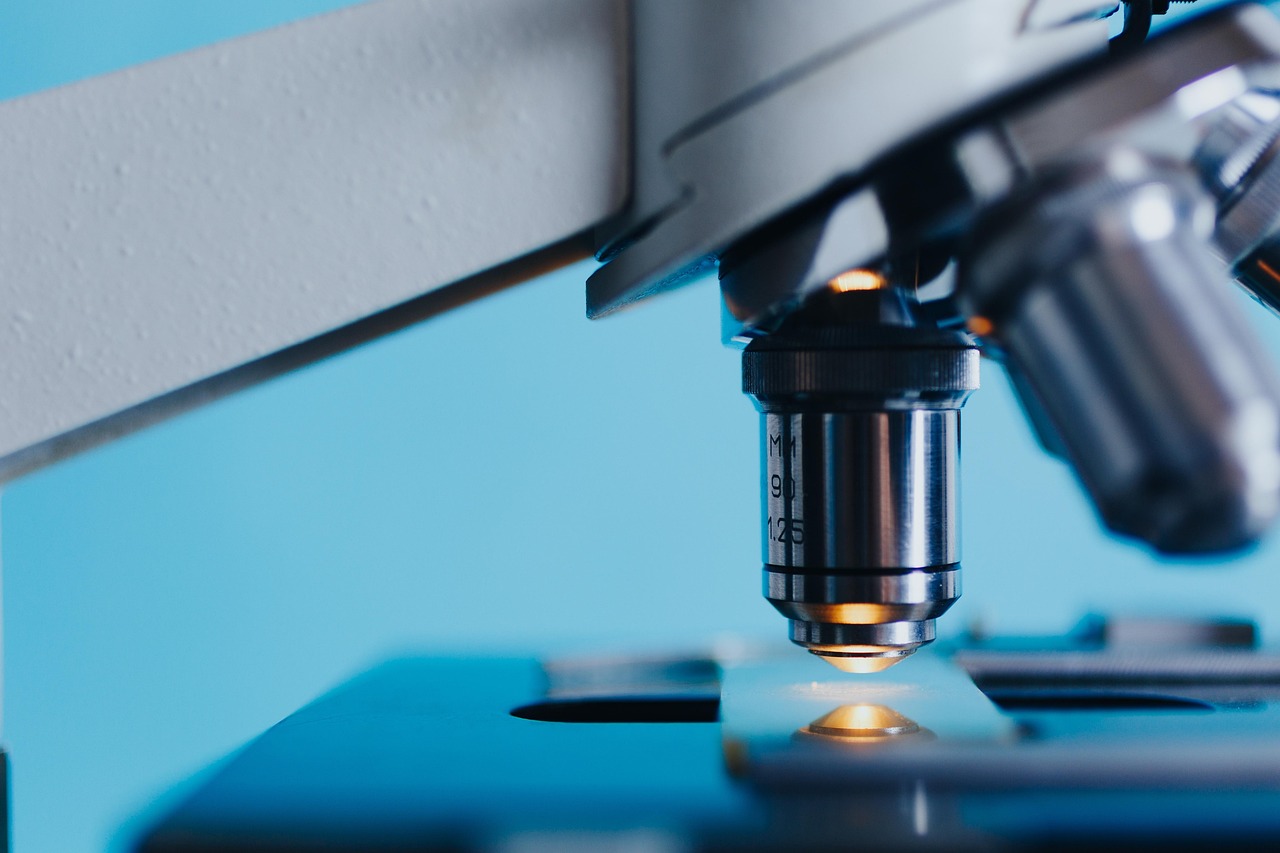
Phase 2 results for plonmarlimab, a GM-CSF-blocking antibody, are now in a peer-reviewed journal. A Phase 3 trial is under way in China.

New Large Hadron Collider results suggest small collisions can recreate the primordial matter of the early universe, challenging long-held assumptions.
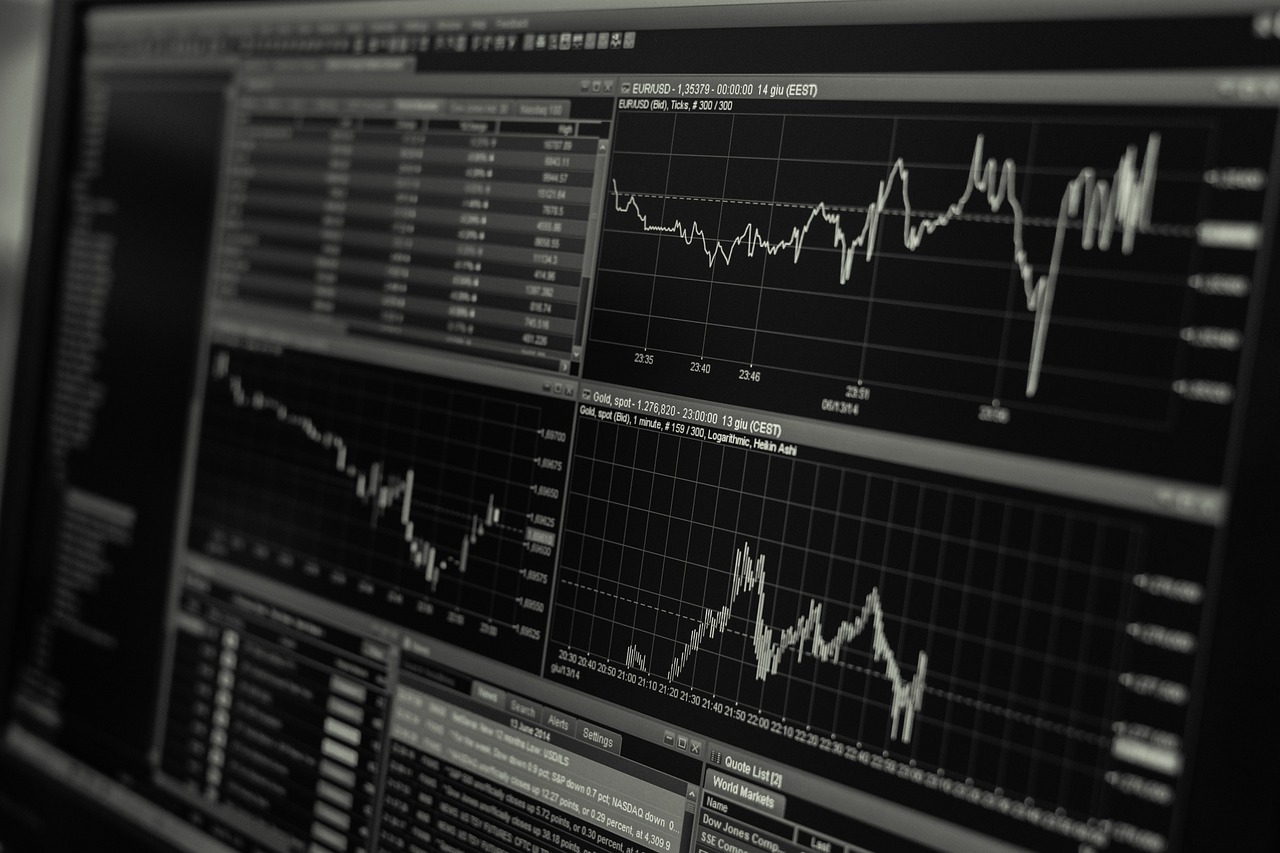
Democrats won the House and Senate. Asia sold off, US futures swung, and chip stocks wobbled on data-centre worries while oil and Fed-hike bets stayed in focus.

Prices, paychecks and everyday bills helped shape the U.S. midterms, alongside deeper concerns about democracy and political accountability.

Canva is cutting 1,271 jobs, about 22% of its workforce, after lowering its growth forecast. Rivals' AI tools are adding pressure, though Canva doesn't cite AI.
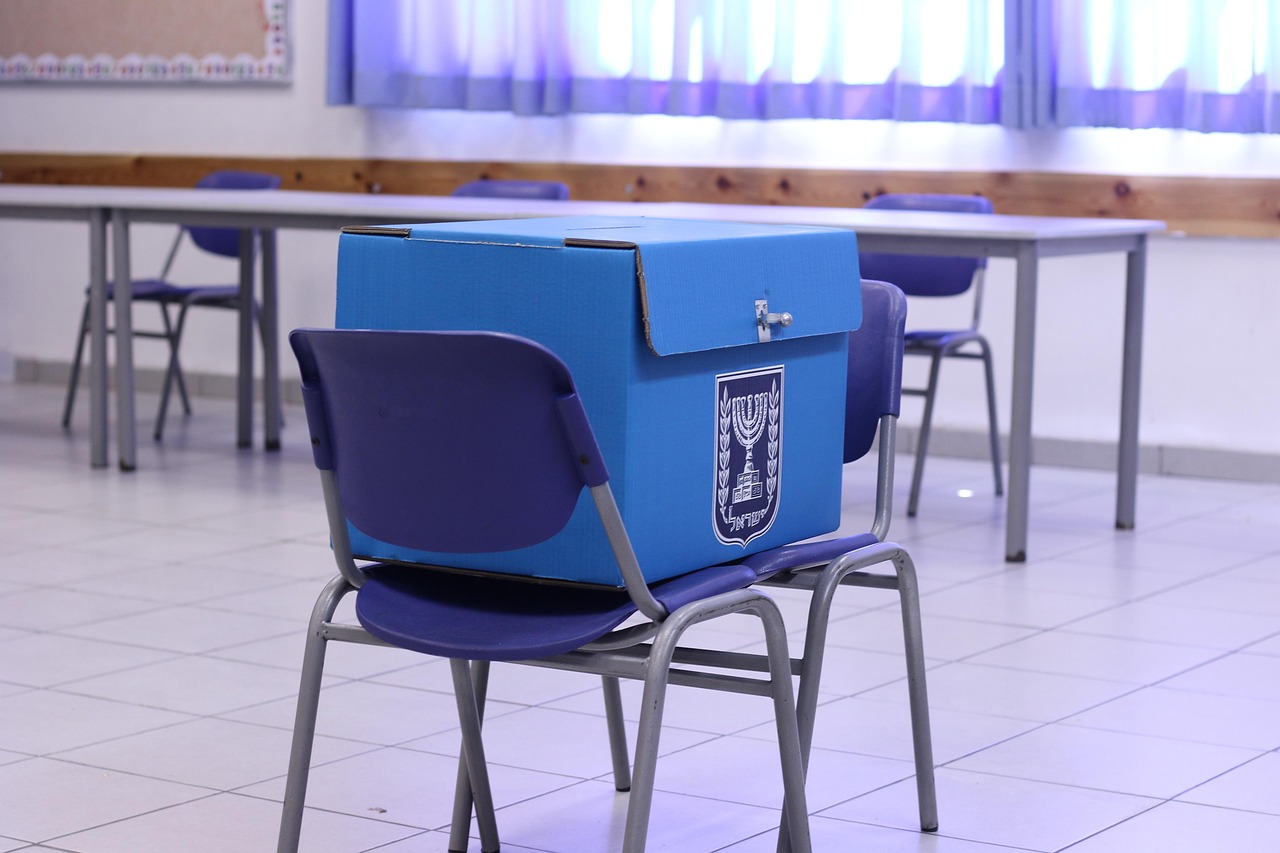
Democrats look set to control Congress. Analysis of why voters turned, how markets reacted, and what a checked White House means for the world.
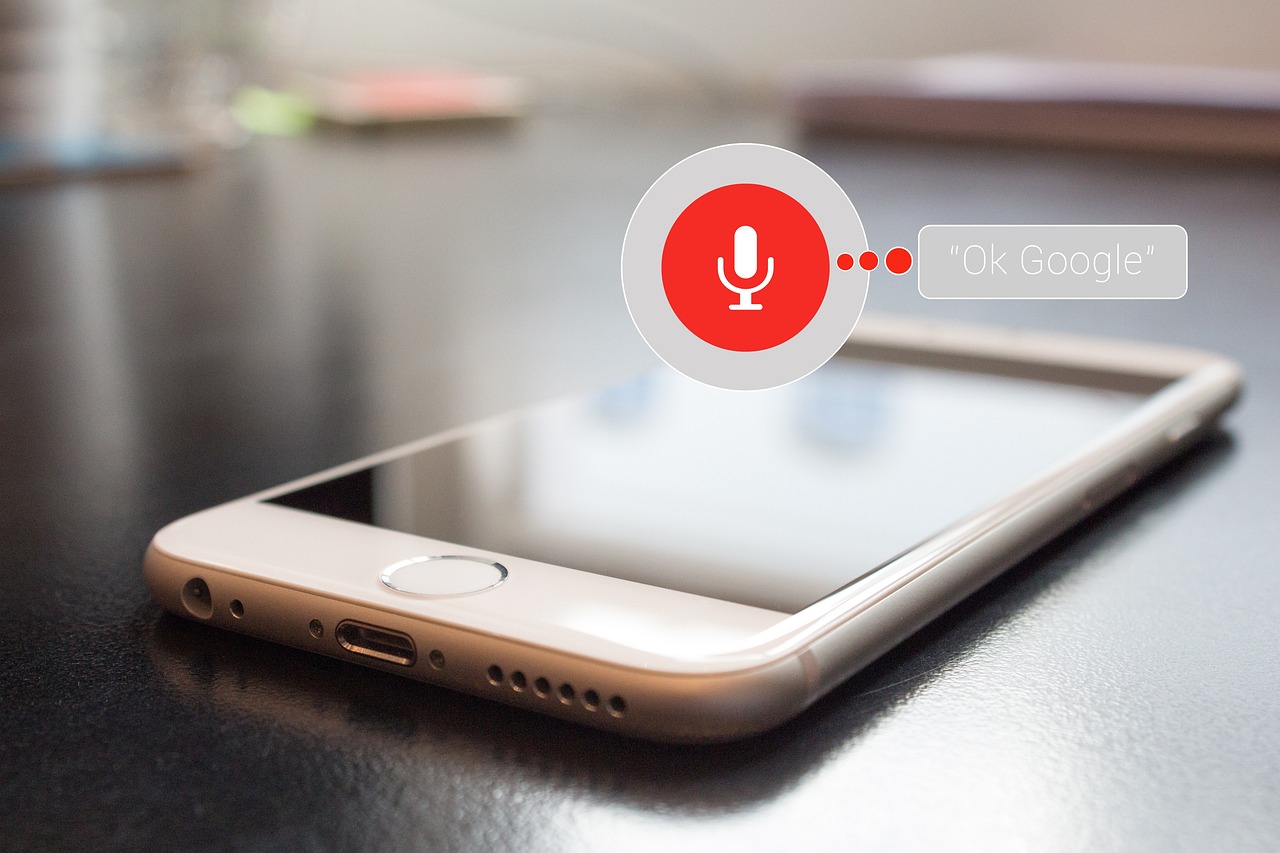
Apple's iOS 27.3 developer betas let any app plug into Siri through App Intents, with support for personal context, onscreen awareness and multi-step actions.

Oracle wants $20B in new stock and bonds for AI buildout as Nasdaq wobbles and Big Tech earnings loom. Here is why the financing side of AI is the story to watch.

Remote tampering with supermarket fridge thermostats in seven European countries has drawn an EU rebuke and raised fears of a new kind of cyberattack.

A 24-year study of more than 8,200 adults links excess body weight to faster declines in memory, focus and decision-making skills.