Democrats Take Congress and Markets Reprice: Tech, Tariffs and Rates Are All in Play
A Democratic sweep ends one-party rule in Washington, and traders are now working out what it means for AI spending, energy costs and borrowing rates.
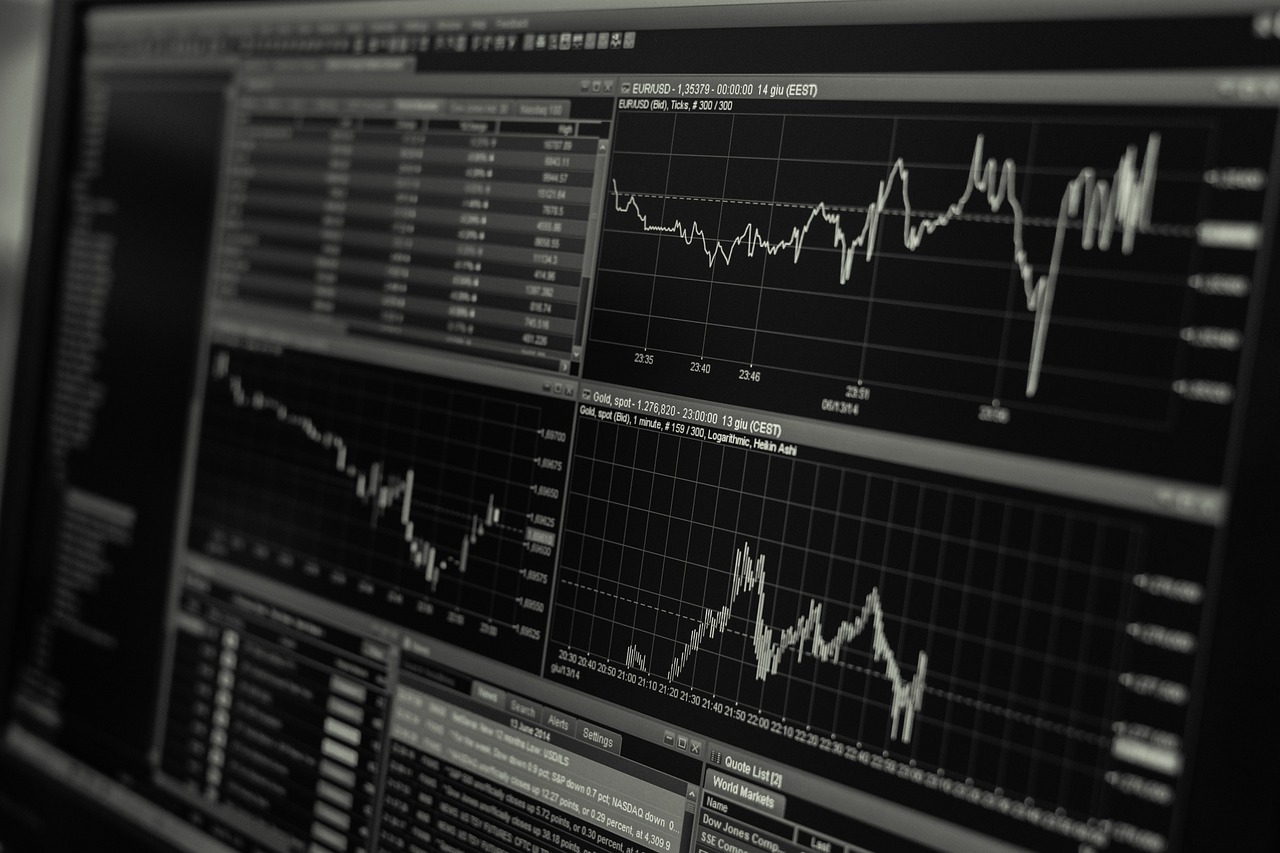
Wall Street went to bed on Tuesday expecting a political shake-up and woke up to one. Democrats won control of both chambers of Congress in a seismic midterm election, paving the way for a divided government. For investors, the question is no longer who wins. It is what a Congress at odds with the White House does to taxes, spending, regulation and the economy's biggest growth story, artificial intelligence.
Asia felt it first
As the results came in overnight, the first reaction was a sell-off. Japan's Nikkei fell 3%, South Korea's KOSPI dropped 1.6%, and a broad index of Asia-Pacific stocks outside Japan declined 0.5%. US stock futures also fell at first, as investors weighed what a shift in Washington's balance of power could mean for taxes, government spending, AI, Big Tech, defence, health care, banking and crypto regulation.
A strategist at Saxo in Singapore said markets seemed to be pricing in a stronger Democratic showing than expected. That, she suggested, could lower hopes for more fiscal stimulus.
By Wednesday morning in New York, the mood had steadied somewhat. Dow futures rose 0.6% and S&P 500 futures climbed 0.2%, while Nasdaq-100 contracts hovered just above flat. Reports differ on exactly how the overnight session played out, but both pictures point to a market that is nervous and not panicking. Historically, shifts in congressional control have not derailed stocks.
The AI angle
The most specific worry is aimed at the AI build-out. Markets repriced the Democratic sweep with an eye on possible ballot measures and new officials restricting data-centre construction, and chip stocks including Nvidia and Micron fell more than 1%. Data centres are where much of the AI boom's spending lands, so any hint of tighter local or federal limits hits the chipmakers that supply them.
The sector also had good news. AMD rose 6% in premarket trading after posting a third-quarter earnings beat. That fits a pattern from Tuesday, when the Nasdaq Composite gained almost 0.8% as chip stocks rallied, while the Dow fell more than 0.4%. Super Micro Computer is the next AI name reporting.
Oil, prices and the Fed
The political result lands on top of an already tense economy. Energy is a big part of that. Oil slipped in early Asian trade as investors awaited the election's potential effect on Middle East peace talks. Brent was around $103.34 a barrel and US crude around $95.56. At the pump, gas and diesel prices were the highest ever recorded on an Election Day in the US, according to GasBuddy. Voters' anger over living costs and the war with Iran was widely seen as a driver of the result.
That inflation pressure is why interest rates matter so much here. The Fed held its benchmark rate at 3.75% to 4% in a split decision, with Beth Hammack and Lisa Cook preferring a quarter-point increase. One market briefing noted that Polymarket bettors give a 74.5% chance of a Fed rate rise on 9 December. The same briefing put the 10-year Treasury yield at about 4.97%. Prediction-market odds are only a rough guide to sentiment, but they show how much traders expect borrowing costs to rise.
What a divided Washington could change
Tariffs are a likely flashpoint. The Supreme Court ruled in February that the emergency-powers law does not authorise tariffs, and a trade court later struck down the replacement global duty. With a Congress that can now push back, one analysis argues the remaining tools are narrower and harder to use as a general weapon. That is commentary, not settled fact, but it explains why traders are rethinking trade-sensitive stocks.
The near-term picture is mixed. Divided government can mean gridlock, and markets often prefer that to big policy swings. But it also reduces the chance of new stimulus just as the Fed leans towards tightening and oil stays above $100. For investors in Asia, where the sell-off was sharpest, the worry is a stronger dollar and higher US yields, which tend to pull money out of emerging markets.
Why it matters
The US sets the tone for global markets, and a change in who controls Congress affects tariffs, tax policy, AI regulation and spending. Those decisions flow into corporate profits, energy costs and borrowing rates worldwide. Asian exporters and chipmakers are especially exposed to any shift in US trade or technology policy, and oil near $100 plus possible Fed hikes leaves little room for surprises.
Background
Donald Trump's second term has been defined by tariffs, a war with Iran and high energy prices. The Supreme Court struck down his emergency-powers tariffs in February. The Fed under Chair Kevin Warsh held rates at 3.75% to 4% on 28 October in a 10-2 vote, with two officials wanting a hike. The midterms were widely seen as a verdict on living costs and the war.
What to watch
Watch whether Asian markets steady on Thursday and whether chip stocks recover after the data-centre scare. Super Micro Computer's earnings will test the AI trade. The Bank of England decides on rates Thursday. Oil and any Iran peace-talk news will move energy-sensitive markets. The Fed's 9 December meeting is the next big date, along with early signs of how Democrats plan to use their new power on tariffs and tech.
Sources & attribution
This AI-assisted summary is based on the reports below. Read them for the full original coverage.
- Stock market today: Dow, S&P 500, Nasdaq futures fall after Democrats take control of House, Senate (Yahoo Finance) ca.finance.yahoo.com
- US stock futures fall amid key Democratic midterm election wins (Fox Business) www.foxbusiness.com
- Stock market today: Dow slips, S&P and Nasdaq gain as chip stocks rally (Yahoo Finance) finance.yahoo.com
- Oil edges down as investors await US midterm election results (Reuters via Investing.com) www.investing.com
- Fed votes in split decision to hold interest rates steady (Yahoo Finance) finance.yahoo.com
- Fed Hike Bets Lift US Yields, Nasdaq Gains 0.8% (Rio Times) www.riotimesonline.com
Drafted with AI assistance from the sources above. See our editorial standards. Spotted a mistake? Request a correction.
Get The Oval Brief
The essential global stories, delivered daily.
Keep reading
Asia's Chip Stocks Crash While the Rest of the Market Rallies: Seoul Halts Trading as AI Fears Bite
Korea's Kospi sank more than 5% and triggered a trading pause as chip stocks sold off. Hong Kong, Australia and India rallied on cheaper oil.

Apple's Memory-Cost Warning Shows the AI Boom's Hidden Bill Is Landing on Consumer Tech
Apple beat on iPhones but warned that rising memory costs will pinch margins. The news dragged the Dow as Wall Street also watched midterms and a shaky chip sector.

Oil Bounces Back as Doubts Over an Iran Deal Hang Over Wall Street on Election Eve
Brent is back above $106 after Monday's slide, as doubts grow over a US-Iran deal and US stock futures slip before the midterms.