Touching Corals Heal Each Other, and $500 Million Is Pledged to Species on the Brink
A lab finding on bleached coral and a big philanthropic pledge both point to nature recovery getting practical help.
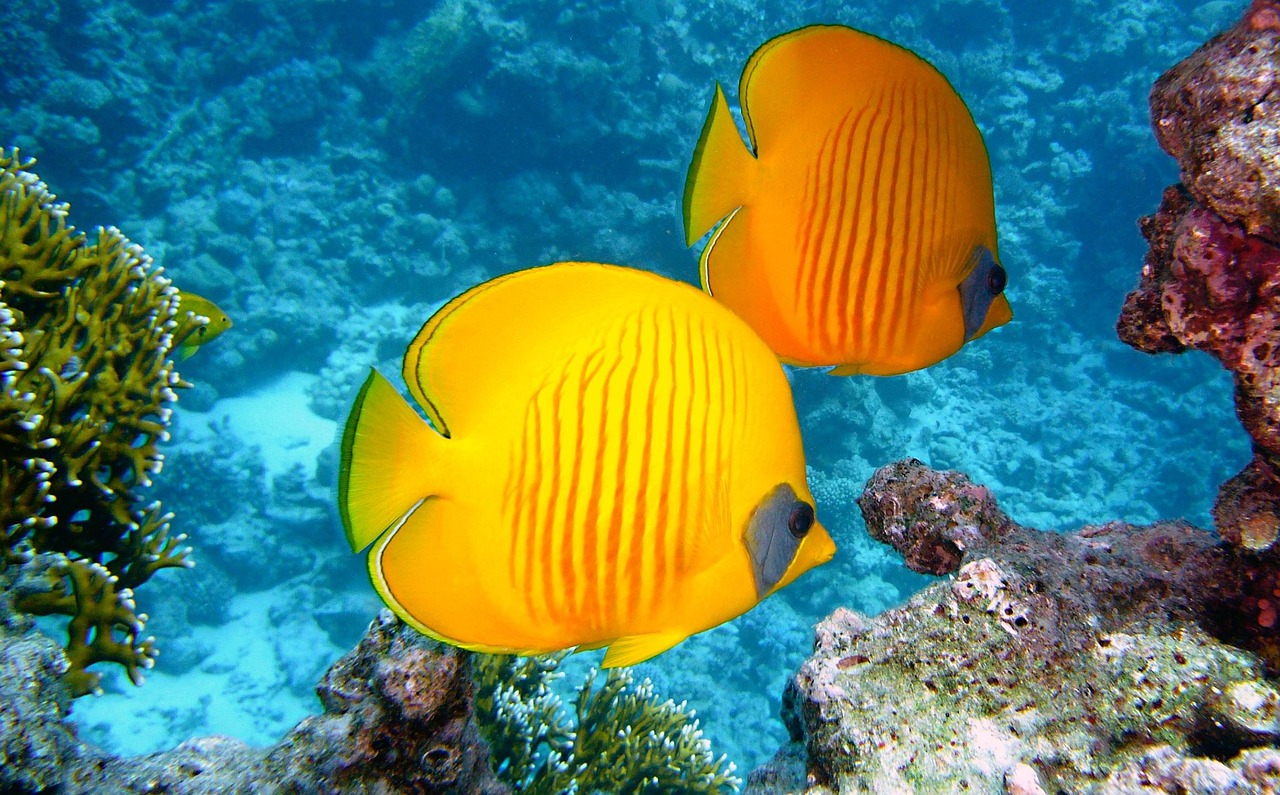
Conservation news is usually grim, but this week brought three encouraging items. One is a small lab finding about coral. One is a large pledge of money. The third is a recount showing the world has protected more land than we thought.
The coral that heals by touch
Coral bleaching happens when heat stress makes corals lose the algae that feed them. It is one of the main threats to reefs. Researchers have now found a surprisingly simple route to recovery, at least in an experimental setting.
The team took bleached fragments of coral and paired each one with a healthy piece cut from the same original colony. In half of the pairs the two pieces touched. In the other half they were separated by a gap of only a few millimetres.
The gap made a big difference. Every bleached fragment that touched its healthy clone recovered within seven weeks. The fragments kept a few millimetres away did not recover, and some of them died.
This is a lab experiment, so it doesn't show that reefs can be saved this way at scale. The summary I found doesn't name the coral species or say where the work was published. What it does suggest is that physical contact between genetically identical coral pieces may help a stressed coral recover. That could shape how restoration teams plant and arrange coral fragments. Any such use will need testing and independent confirmation.
Half a billion dollars for species on the brink
The second item is about money. Nine major philanthropic organisations have committed more than US$500 million over the next five years to help prevent some of the world's most endangered species from going extinct. The effort is called the Species Recovery Alliance.
One commentator described its significance as a change in how conservation funding works. It treats protecting land and preventing extinction as related goals that are not the same thing. A large reserve can still lose a species if nobody works on that species' specific threats. Funding aimed at species directly tries to close that gap.
A separate philanthropic group, the Protecting Our Planet coalition, expects to have awarded US$3.7 billion of its US$5 billion conservation pledge by the end of 2026. That would put it ahead of schedule for its 2030 target.
Pledges are not results, and money has to reach the ground to count. Still, funding that arrives early and is aimed at specific species gives field teams a firmer base for multi-year work.
The world may be closer to its land target
Governments worldwide have pledged to conserve 30% of land by 2030. Official data suggested the world was barely halfway to that goal. A recent analysis in Nature indicates that the number of protected areas is hugely underestimated. That means the world is closer to the target than scientists thought.
The same coverage carries a warning. Biodiversity is still in peril. Land that is protected on paper and land that is managed well are different things. A better count is still good news, because it shows real effort that earlier figures missed. It also lets planners see where the gaps are.
What ties these stories together
Each of the three is modest on its own. A coral experiment is not a reef-wide fix, a pledge is not a recovered species, and a recount is not a larger forest. Together they show a field that is learning more about how nature recovers, putting more money behind targeted work, and measuring its progress more accurately. That is how progress in conservation usually looks, built up from many small steps.
Why it matters
Coral reefs support huge amounts of marine life and protect coastlines, and bleaching is one of their biggest threats. A cheap, simple recovery method could help restoration teams if it holds up outside the lab. Large, species-focused funding and a more accurate count of protected land also show that conservation is gaining momentum and getting better at measuring its progress.
Background
Coral bleaching occurs when stressed corals expel the algae they depend on for food, and severe cases can kill whole reefs. Meanwhile, nations have agreed to protect 30% of land and sea by 2030, the so-called 30x30 goal. Progress is hard to track because protected areas are recorded inconsistently, which is why the recent Nature analysis of undercounted protected areas drew attention.
What to watch
Watch for the coral study to be replicated with other species and tested in field conditions, since a lab result may not carry over to the open sea. Also watch how the Species Recovery Alliance chooses its priority species and when the first grants are announced. Further 30x30 data should show whether the revised counts are confirmed and where protection is thinnest.
Sources & attribution
This AI-assisted summary is based on the reports below. Read them for the full original coverage.
- Positive News About Our Planet #63 wattlemedia.substack.com
- Conservation biology - Latest research and news (Nature) www.nature.com
Drafted with AI assistance from the sources above. See our editorial standards. Spotted a mistake? Request a correction.
Get The Oval Brief
The essential global stories, delivered daily.
Keep reading
California Is Home to More Than 60,000 Insect Species, and a Third of Them Still Have No Name
A new study puts California's insect count above 60,000 species, with only about two-thirds formally described. Each site studied had its own community.

A Decade of Patient Work Pays Off as Radio Telescope Data Opens a New Way to Map the Universe
The MeerKLASS team has measured the large-scale clustering of cosmic hydrogen for the first time. The result could change how we chart the universe.

Dinosaur Blood Chemistry Found in a 115-Million-Year-Old Fossil, Rewriting What Can Survive Deep Time
A PNAS study reports intact biomolecules and mineralised red blood cells in a 115-million-year-old dinosaur, challenging old assumptions about fossil chemistry.