South Korean Team Cuts the Anode From EV Batteries to Pack in More Range
KAIST researchers say removing the conventional anode could make electric-car batteries lighter, thinner and longer-ranging, if lithium can be tamed on bare copper.
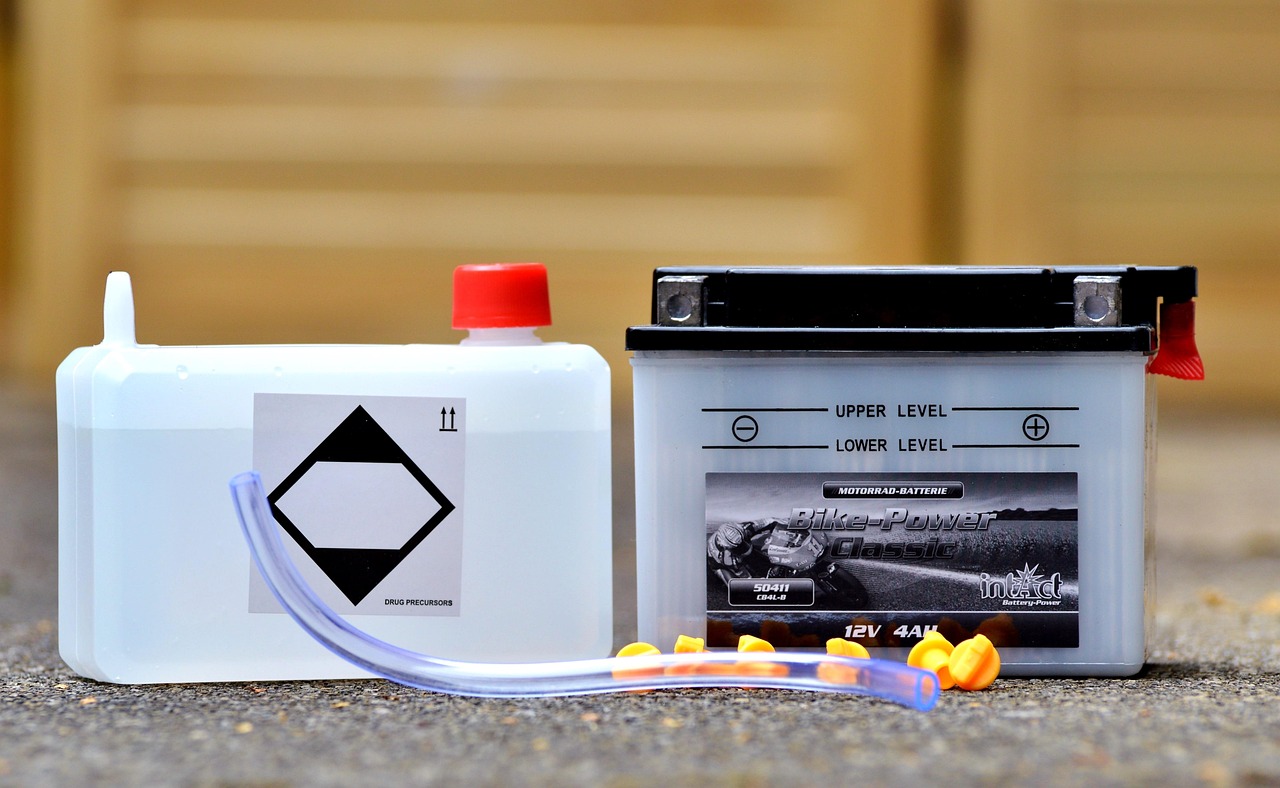
Every electric car battery is a sandwich, and one slice of that sandwich may be on the chopping block. Researchers in South Korea say they have found a way to make a battery without the conventional anode, the layer that normally holds lithium while the battery is charged. The aim is simple: smaller, lighter packs that can take a car farther on a single charge.
The work comes from the Korea Advanced Institute of Science and Technology (KAIST). A collaborative team led by Professors Jinwoo Lee and Hee-Tae Jung, from the university's Department of Chemical and Biomolecular Engineering, announced the breakthrough on 22 September. Coverage of the result reached a wider audience through ScienceDaily in late October.
Why drop the anode?
A standard lithium-ion cell has two electrodes. During charging, lithium ions move into the anode, which is usually made of a material such as graphite. That material does a useful job, but it also takes up room and adds weight without storing much energy itself.
Take the anode out and you free up that space. According to the KAIST announcement, removing the conventional anode eliminates material that would otherwise add to the battery's weight and thickness. The same amount of space can then hold more energy. For an electric vehicle, that could mean a longer range without a bigger or heavier pack. It could also mean the same range from a smaller one.
The catch: lithium is messy
If there is no anode to hold the lithium, the metal has to deposit directly onto a bare copper current collector as the battery charges. That is where the trouble begins. As the battery goes through repeated charge and discharge cycles, the lithium does not always spread evenly across the copper surface.
Uneven deposition is a long-standing headache for lithium-metal and anode-free designs. In general terms, patchy lithium growth can shorten a battery's life and cause safety concerns. This is why anode-free cells have stayed mostly in the lab despite their appealing energy numbers. The sources describe the KAIST work as addressing this uneven-lithium problem, but they do not give performance figures here, so it is too early to say how much the design improves lifespan.
One of many routes to better batteries
The KAIST result is part of a busy global race to squeeze more out of lithium-based chemistry. Another South Korean group, at the Korea Research Institute of Chemical Technology, recently reported that adding a small amount of graphitic carbon nitride to the cathode improved power delivery. Meanwhile, companies such as Enevate Technologies are pitching licensable cell designs that aim to balance energy density, power and cycle life for drones, robots, data centres and electric aircraft.
What sets the anode-free idea apart is that it attacks the problem by subtraction. Instead of adding a cleverer material, it takes a whole component out of the stack.
What to keep in mind
This is a laboratory development. A cell that works in a research setting still has to prove it can survive thousands of cycles, be made cheaply in volume, and pass automotive safety standards. The sources do not name a manufacturing partner or a commercialisation date.
Still, the direction is clear. South Korea is a major hub for battery manufacturing and research, and results like this show where its labs are pushing. If anode-free designs can be made durable, the payoff would be the kind of range gain that usually requires a much bigger battery, and it would come from a smarter layout.
Why it matters
Range, weight and cost are the main limits on electric vehicles, and the battery pack is the biggest lever on all three. Cutting a whole layer from the cell is one of the few ways to gain energy density without exotic new materials. If the lithium-control problem is solved at scale, automakers could build lighter cars or offer longer range. The work also shows how competitive battery research in Asia has become.
Background
Conventional lithium-ion cells store lithium in an anode, usually graphite, during charging. Anode-free designs skip that host and let lithium plate directly onto a copper current collector, which saves space and weight. The trouble is that plated lithium can grow unevenly over many cycles, hurting durability. Researchers worldwide are trying to fix this, alongside other approaches such as solid-state, sodium-ion and calcium-ion batteries.
What to watch
Watch for peer-reviewed data on cycle life and how the cells behave in larger formats than lab prototypes. Also look for any partnership with a battery maker or automaker, which would signal a path to production. Compare KAIST's results with other anode-free and solid-state efforts to see which approach controls lithium growth best over thousands of charges.
Sources & attribution
This AI-assisted summary is based on the reports below. Read them for the full original coverage.
- Smaller EV batteries, longer range? Scientists may have found a way — ScienceDaily www.sciencedaily.com
- A new lithium-ion battery breakthrough could lead to cells that deliver more power for longer — TechRadar www.techradar.com
- Enevate Technologies Unveils Trifecta — PR Newswire www.prnewswire.com
Drafted with AI assistance from the sources above. See our editorial standards. Spotted a mistake? Request a correction.
Get The Oval Brief
The essential global stories, delivered daily.
Keep reading
Donut Lab's Mystery Solid-State Battery Gets Outside Test Results, but Its Chemistry Is Still Unexplained
Finnish startup Donut Lab says independent tests back its solid-state battery. Lab results show only trace lithium and sodium, so what the cell is made of is still unclear.

China-Linked Biotech Reports Promising Phase 2 Data for an Antibody Aimed at a Dangerous Immune Storm
Phase 2 results for plonmarlimab, a GM-CSF-blocking antibody, are now in a peer-reviewed journal. A Phase 3 trial is under way in China.
Xpeng Starts Building Solid-State Batteries for Its Humanoid Robot Before the Robot Even Ships
Xpeng has begun small-batch production of solid-state batteries made for its Iron humanoid robot. Robots may get this technology before electric cars do.