North Korea Tests Cluster-Bomb Warhead for Its Tactical Ballistic Missiles
Pyongyang says its missile units will be able to pick from four cluster warhead types by the end of 2026.
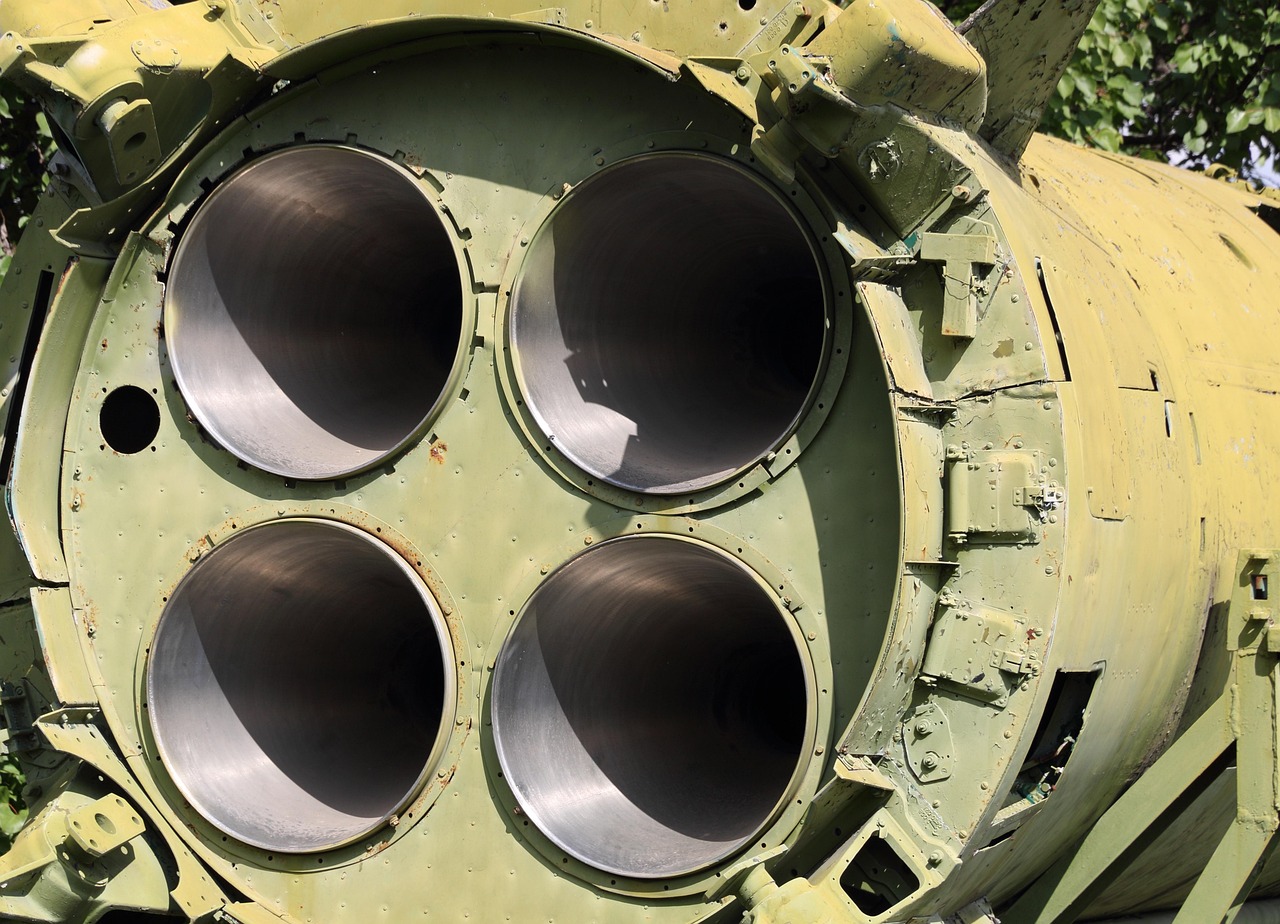
North Korea says it has tested a new kind of warhead for its short-range ballistic missiles. This one scatters many small bomblets instead of delivering a single blast. State news reported the test took place on 31 October, according to the defence outlet Defence Blog. Pyongyang also said its military units would be able to choose from four types of cluster warhead by the end of the year.
What was announced
The details are thin, and they come from North Korea's own state media. The reports describe the test and a rollout schedule. The sources reviewed give no information on the missile used, the distance flown, or how well the warhead worked. Treat the performance claims as unverified until South Korean, Japanese or US officials, or independent analysts, publish their own assessments.
The promise of four warhead types is the most interesting part. It suggests Pyongyang wants a menu of options for its missile crews, not a single experimental design. If that is accurate, commanders would be able to match a warhead to a target. That fits a pattern of North Korea treating its short-range missiles as practical battlefield tools, not just symbols.
Why a cluster warhead is different
A conventional unitary warhead concentrates its destructive power on one point. A cluster warhead opens in flight and spreads smaller munitions across a wider area. In general terms, that makes it better against targets that are spread out, such as parked aircraft, vehicle concentrations or troop positions. It is less suited to hardened single targets. Cluster weapons are also controversial because unexploded submunitions can stay dangerous long after a conflict ends. Many countries have joined a treaty banning them, but North Korea is not bound by it.
North Korea's own stated aim is not spelled out in the reports reviewed, so any reading of its intent is analysis, not fact. A plausible reading is that the country wants more flexibility from missiles it already has. Offering several warhead types would let it try to overwhelm or complicate defences without building entirely new rockets.
A busy week for ballistic missiles
The test did not happen in isolation. A US Navy-focused fleet tracker published on 2 November noted that both Russia and North Korea carried out ballistic missile launches this week. It said Russia had launched a submarine-launched ballistic missile. The tracker's summary gives no more detail on either event. The reports reviewed do not show any link between the two countries' launches, so it would be wrong to assume coordination.
The tracker also placed the US aircraft carrier USS Theodore Roosevelt in the South China Sea, after it took part in the Keen Sword 27 exercise. That is a reminder that the region already has a heavy military presence as Pyongyang continues its weapons programme.
What to watch
The key questions are whether outside governments confirm the test, whether imagery or debris data reveals what was fired, and whether North Korea shows the other three warhead types before the year ends. Reaction from Seoul and Tokyo, and any new United Nations discussion, will also show how seriously the claim is being taken.
Why it matters
Short-range ballistic missiles are the weapons North Korea is most likely to use in any conflict on the Korean peninsula. Giving them a choice of cluster warheads would, if true, widen the range of targets they can threaten, including airfields and troop concentrations. It would also add pressure on South Korean and US missile defences. The claim is unverified, but it shows how Pyongyang is trying to improve existing missiles quickly.
Background
North Korea has built up a large arsenal of short-range ballistic missiles and tests them often. It has also drawn closer to Russia in recent years. Cluster munitions scatter small bomblets over a wide area, which makes them effective against dispersed targets and hazardous to civilians afterwards. Many countries have signed a convention banning them, but North Korea has not.
What to watch
Watch for assessments from South Korean and Japanese military officials, and for satellite imagery or other evidence of the test. Check whether North Korea unveils the other warhead types before year-end, as it promised. Also watch for reaction from Washington, Seoul and Tokyo, and for further launches by Pyongyang or Moscow in coming days.
Sources & attribution
This AI-assisted summary is based on the reports below. Read them for the full original coverage.
- The Defence Blog defence-blog.com
- USNI News Fleet and Marine Tracker: Nov. 2, 2026 news.usni.org
Drafted with AI assistance from the sources above. See our editorial standards. Spotted a mistake? Request a correction.
Get The Oval Brief
The essential global stories, delivered daily.
Keep reading
Blackbeard: The US Navy's New Hypersonic Missile Is Edging Toward the Fleet, With China in Mind
The US Navy's air-launched hypersonic missile Blackbeard has passed a test step on an F/A-18. Here is what that means for the Indo-Pacific.

Russian Satellite Crept Up on a Finnish Spy-Eye in Orbit. Was It a Dress Rehearsal for an Attack?
Analysts say a Russian military satellite's close pass of a Finnish radar satellite may have been an attack rehearsal, as two more craft approach another target.

Turkey Moves to Join a Saudi-Pakistan Defence Pact as Houthi Attacks on Riyadh Intensify
Turkey's parliament is set to ratify the Makkah Joint Defense Agreement with Saudi Arabia and Pakistan, adding a collective-defence pledge to a widening Gulf war.